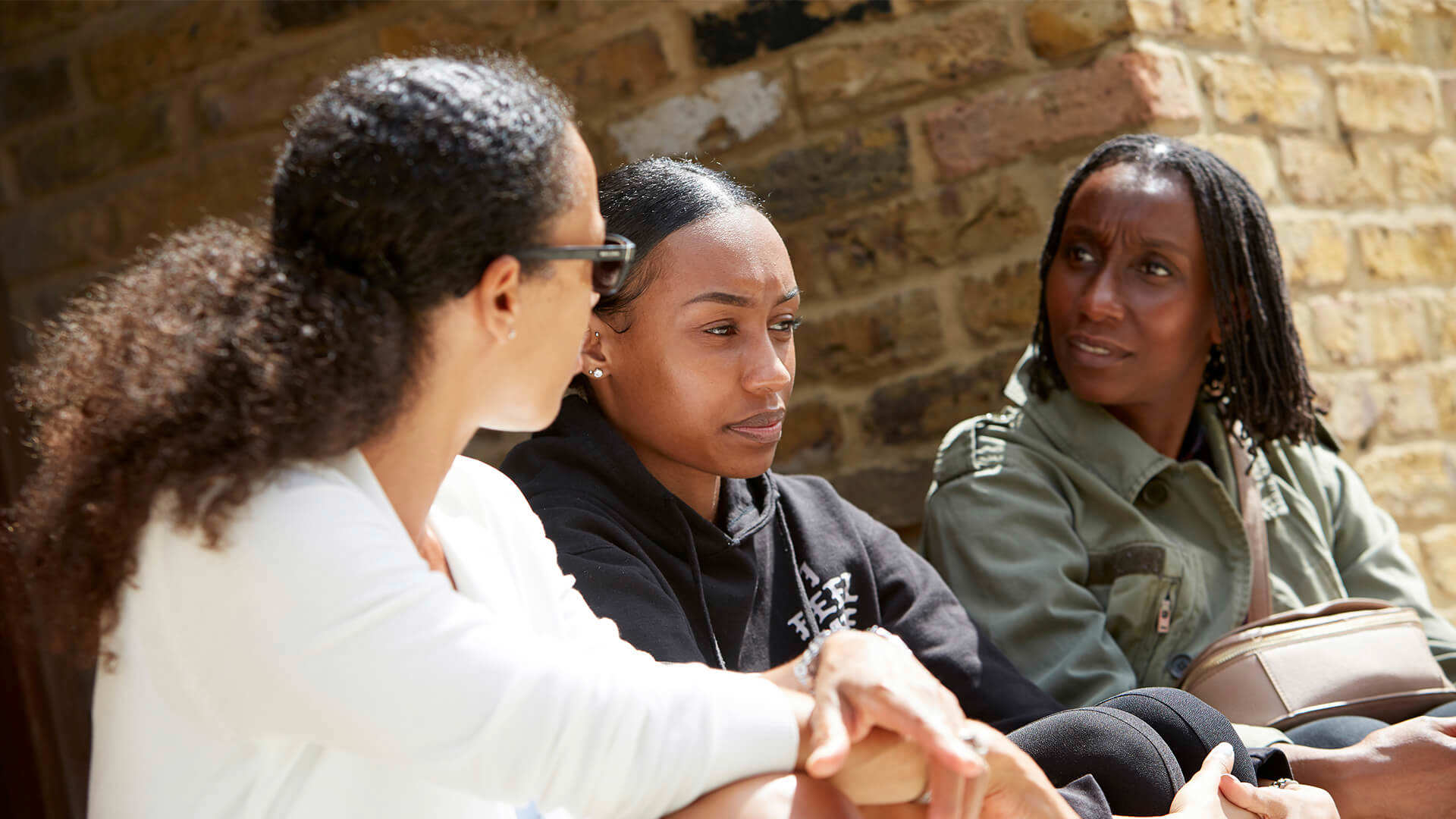
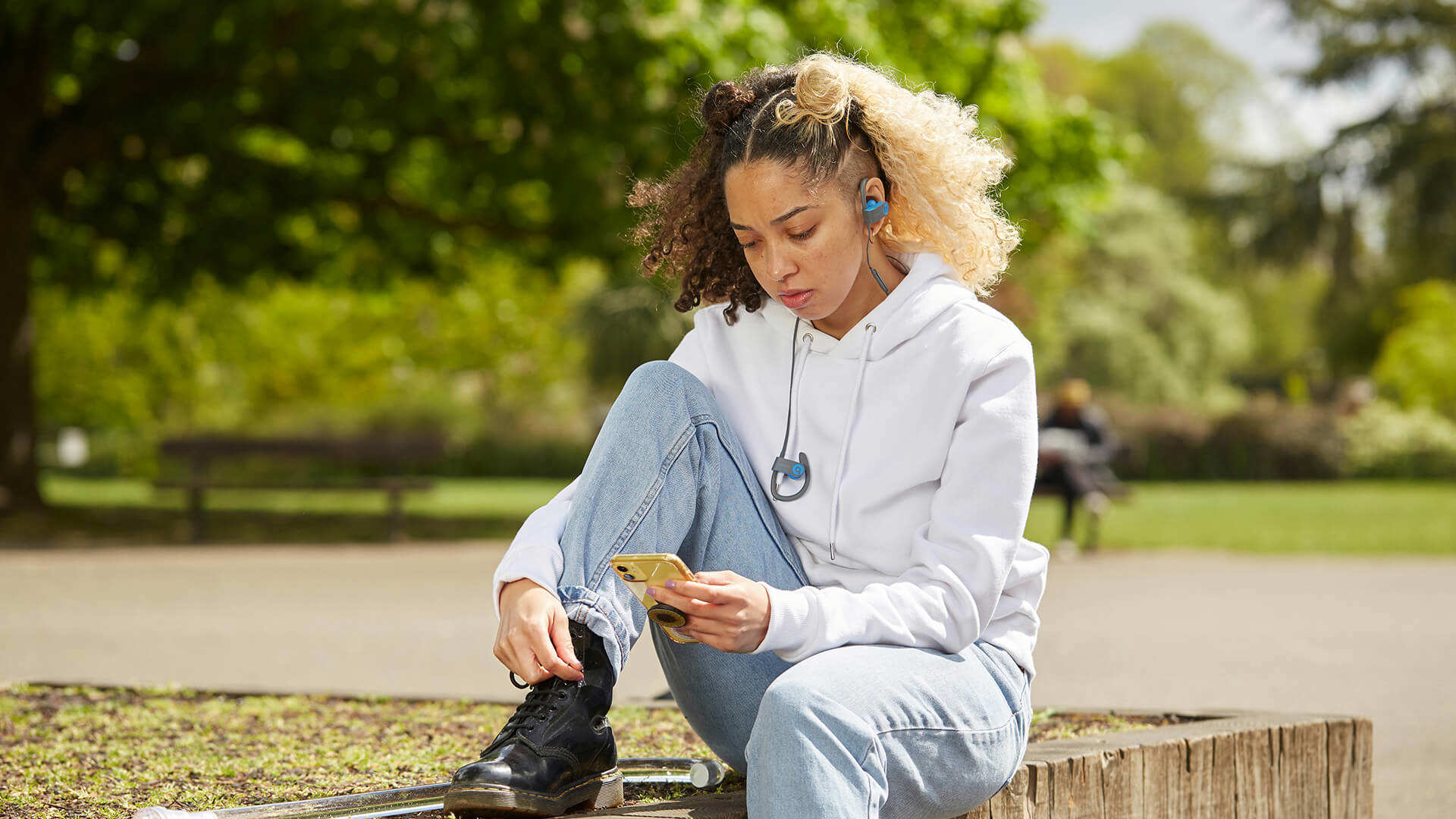
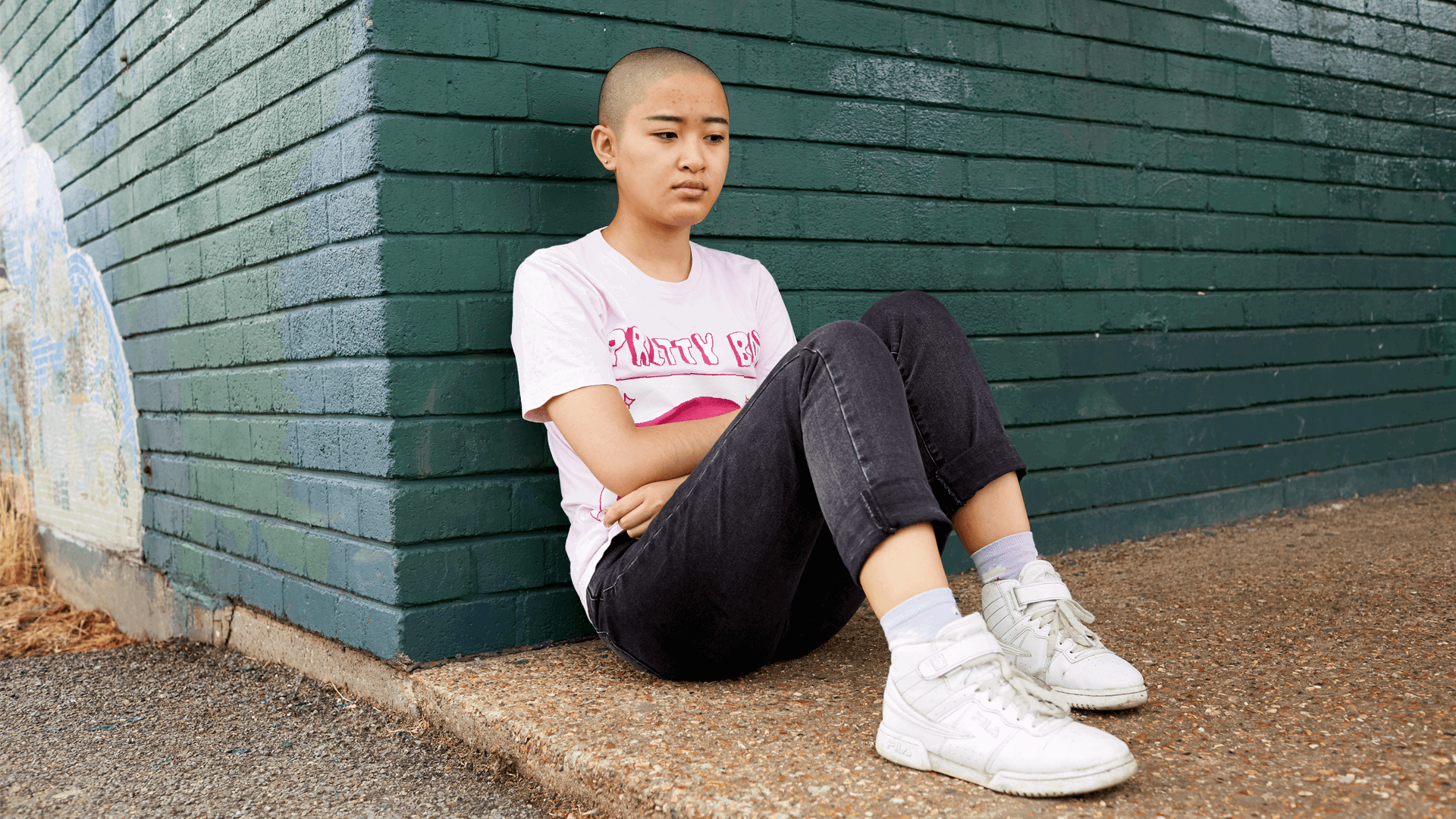
The majority of young people we spoke to during our research all had something in common – they’d been subject to some form of discrimination. Minoritised communities had also experienced high levels of social inequality.
Inequality in society can result in communities being excluded and discriminated against, while discrimination and exclusion can reinforce social inequality. This can have a negative effect on our mental health.
Our research shows that social inequality and discrimination are rife in society, and all young people are affected by it. But those from marginalised groups especially at risk – Disabled young people, young people with special educational needs, LGBTQIA+ young people and Black and racialised young people – are significantly more likely to struggle to cope than their peers.