

The internet opens up a world of opportunities for young people. Online, they can learn new things, explore their interests, research topics, play games, be creative, and connect with others. It’s also a place where young people express themselves, explore who they are, and find a sense of community and belonging.
But the online world also comes with risks and challenges. As a parent or carer, you want to help your child stay safe and have a positive experience online, but might not always know how.
This guide aims to help you feel more confident to have conversations with your child, set boundaries, and support them through the ups and downs of digital life.
The reality of online life
For many young people, being online is a normal part of everyday life. This comes with both benefits and challenges.
-
Connection: Staying in touch with friends, meeting new people, finding community, and learning about different cultures
-
Learning: Access to information, tutorials, and educational content
-
Creativity: Tools to express themselves through art, writing, music, and video
-
Entertainment: Games, videos, and memes
-
Support: Finding advice, reassurance, or mental health resources
-
Exploration: Discovering identities, cultures, movements, and new ways of thinking
-
Pressure: Social media comparisons and unrealistic standards
-
Cyberbullying: Negative comments, exclusion, or online harassment
-
Exposure to harmful content: Violence, self-harm, or adult material
-
Addiction and screen time: Struggling to switch off or to balance online and offline life
-
Privacy risks: Sharing personal information or being contacted by strangers
-
Misinformation: Coming across false or misleading content that can affect beliefs or behaviours
The internet has given my children access to information that interests them: cars, current affairs, music and film. It enables them to widen their knowledge and explore their interests. In some ways it has educated them more than parents, friends or school could. As a parent that can be very exciting for my child's future.
How to talk to your child about social media
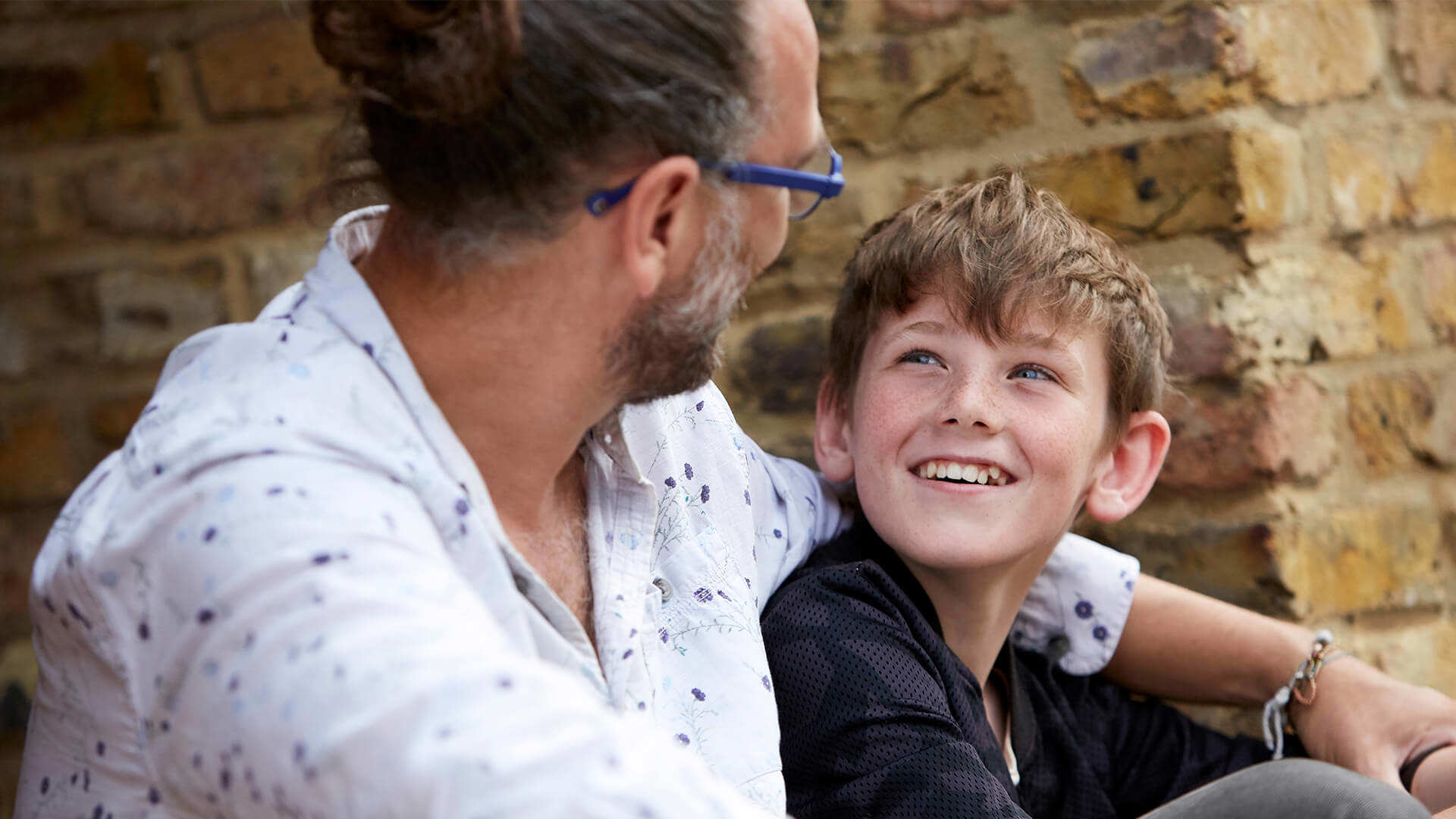
Talking to your child about social media might feel daunting, especially if you’re not familiar with the platforms they use. But you don’t need to be an expert to offer meaningful support.
What matters is creating a relationship where your child feels able to talk, ask questions, and come to you when something doesn’t feel right.
These conversations can help your child think critically about their online life, build confidence in managing challenges, and know that they’re not alone if things get tough.
Young people are constantly exposed to content that can shape how they see themselves, others, and the world. Helping them think critically about what they’re seeing gives them tools to question, reflect and protect their wellbeing.
-
Talk about image and identity. Many young people compare themselves to influencers or peers online. Talk about how people curate what they post, use filters, or only share highlights. Encourage them to follow accounts that make them feel good about themselves, not worse.
-
Discuss misinformation and manipulation. Explain how algorithms work and how content can be misleading or biased. Encourage your child to ask questions like: Is this real? Who made it? Why might they be sharing it?
-
Encourage digital literacy. If they’re old enough, help them explore how social media platforms are designed to keep users scrolling, and how this can affect their attention, mood, and even opinions.
-
Give them practical examples. Spend some time looking at posts together. Ask them to think about how the post makes them feel and why. Who might have made it and what is their intention? Can you find three things which seem unreliable, untrustworthy, or unbelievable?
-
Reflect on your own skillset. Are you confident in your own ability to spot misinformation? Do you feel you understand the mechanisms of algorithms yourself? Take some time thinking about your strengths and limitations before having conversations with your young person.
Social media can trigger difficult emotions, from feeling left out to facing online criticism. You can’t shield them from everything, but you can help them manage how it affects them.
-
Validate their feelings. If something online has upset them, avoid dismissing it as ‘just the internet’. Their online experiences are real, and their emotions are valid.
-
Talk about boundaries. Support them to take breaks, mute, or unfollow accounts that feel unhealthy for them, and recognise when an app is making them feel worse. Talk about how to balance screen time with offline rest, connection, and movement.
-
Help them spot early signs of distress. Changes in sleep, mood, appetite, or social behaviour can sometimes reflect online stress. Let them know you’re there if anything feels overwhelming.
-
Reach out to other trusted adults. Talk to other people in your life who might be able to support you.
Rather than focusing only on risks, empower your child to take control of their digital space in ways that make them feel safe, respected, and confident.
-
Review privacy settings together. Make it a shared activity to go through privacy options, talk about who can see what, and help them understand the risks of oversharing.
-
Talk about consent online. From sharing memes of friends to sending personal photos, discuss how consent applies in digital spaces too. Encourage them to ask before posting pictures of others and to expect the same in return.
-
Calmly support them through difficult situations. Whether it’s online bullying or being excluded from a group chat, reassure them they won’t be in trouble for telling you. Focus on listening, not blaming, and on problem solving together.
Young people learn just as much from what we do as what we say. Your own approach to phones, social media, and boundaries can help set the tone (as well as improve your own wellbeing).
-
Be honest about your own digital life. Talk about what you find hard, like scrolling too much or feeling distracted. You can also tell them how you try to manage it, like setting limits for apps or creating phone-free time. This shows them it’s okay to reflect and make changes.
-
Create shared digital boundaries. Set tech-free times or zones as a household, like during meals or before bed and stick to them together. This makes it feel like a team effort, not a punishment.
-
Explore platforms yourself. Parents and carers can engage practically with platforms, sites or games to understand where risk may lie, or what may be harmful in terms of content.
-
Be present. Try to give your child full attention when they’re talking, especially if they’re opening up about something online. It builds trust and shows that their concerns matter.
The most important thing you can offer is a sense of safety and openness. If your child feels judged or monitored too closely, they might shut down and hide things. If they feel trusted, they’re more likely to open up.
-
Check in regularly. Check in with your young person in everyday moments, not just when there’s a problem. Ask them questions about their online life just like you might ask about one of their friends.
-
Don’t panic when things go wrong. If your child makes a mistake or gets into trouble online, try to stay calm and focus on helping them learn from it. Reacting with shame or punishment might make them hide things next time.
-
Celebrate the positives too. Social media isn’t all bad. Look out for when they’re using it in creative or thoughtful ways, and let them know you’ve noticed.
Setting realistic boundaries
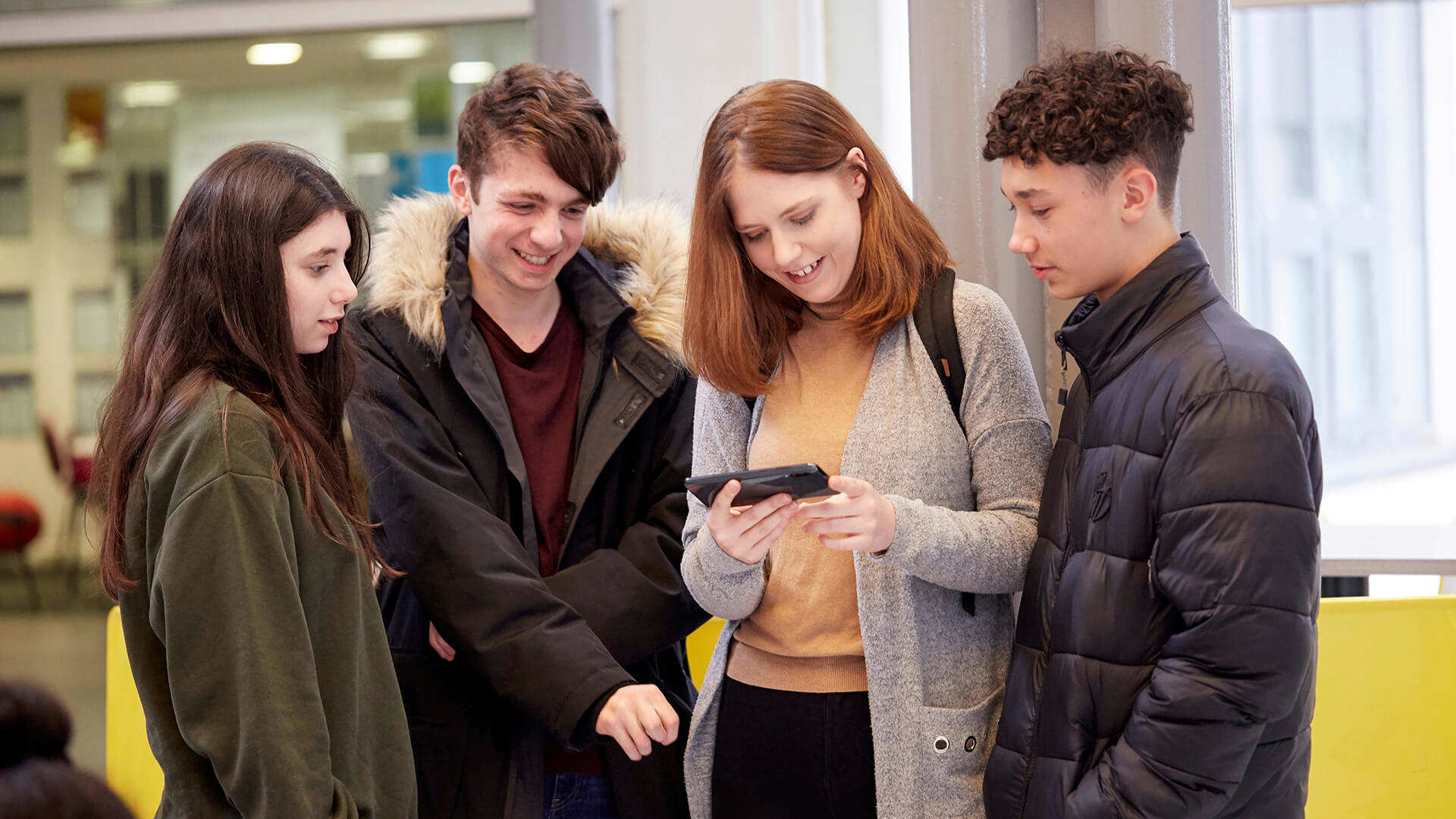
The boundaries you set around internet use will depend on your child’s age. You can think of it like any other development, like crossing the road. When they’re small, you always hold their hand. As they grow older, you teach them how to look out for risks and stay safe on their own.
Whatever your child’s age, it’s helpful to sit down together and agree on some ground rules. You might decide to avoid screens before a certain time or keep devices out of bedrooms at night to protect their sleep. Many devices allow you to set timers or app limits, but it's also a good idea to help your child learn to manage their own time online.
Parental controls can help block harmful content, especially for younger children. But as they grow, they may find ways around restrictions. That’s why building trust, having open conversations, and helping them develop good judgement are just as important as technical tools.
Key challenges
Being online is part of everyday life. But that doesn’t mean it’s always easy. From the pressure to stay constantly connected to the risk of seeing harmful content, the digital world can have a real impact on young people’s wellbeing.
As a parent or carer, it’s helpful to understand the main challenges they might face. That way you can support them with empathy and guidance, not just rules and restrictions.
Even with the best safety tools in place, young people may still come across content that isn’t age-appropriate. Sometimes young people stumble upon this content by accident. Other times, curiosity or peer encouragement might lead them to seek it out.
This might include:
-
Violent or graphic material
-
Sexual content, including pornography
-
Content related to self-harm, eating disorders, or suicide
-
Hate and discriminatory content – for example racist, sexist, homophobic, transphobic, or otherwise discriminatory content.
-
Content promoting harassment and/or dehumanisation of individuals and/or groups
-
Criminal or harmful behaviour for example, drug use, drug dealing, weapons, theft, fraud and/or other illegal activity
-
Misinformation about health – for example around food, diet, exercise, or vaccinations
-
Conspiracy theories or extreme political views.
What helps:
-
Use parental controls for younger children, but also have honest conversations about what they might encounter
-
Avoid using shame or fear. Focus on helping them understand why some content is harmful or upsetting
-
Let them know they can always come to you if they see something that confuses or worries them. Tell them that you will always listen without judgement.
Many social media platforms and games are designed to be engaging, fast-paced, and hard to put down. Young people may find it difficult to switch off, especially if they feel they might miss out.
Overuse can lead to:
-
Difficulty sleeping, especially if they’re using devices at night
-
Poor concentration at school or home
-
Neglecting offline hobbies or socialising
-
Physical health impacts such as headaches, eye strain, reduced physical activity
-
Withdrawal from face-to-face interactions, or disruption in daily routines like hygiene or eating
-
Over-reliance on online activity use to reduce feelings of stress, social isolation, or pressure
-
Feeling irritable, anxious or low when not online.
What helps:
-
Instead of using the word "addiction", which can be alienating, try talking about balance. Ask how they feel before and after being online, and whether certain activities are affecting their mood or energy.
-
Work together to create healthy routines like tech-free time before bed or taking breaks during the day.
-
Use device settings or apps to manage time limits if helpful. But focus on building awareness and good habits too.
-
Centre young people’s voices and autonomy in setting their own limits, and reviewing together what works. Be reflexive as a parent or carer – this may need to change over time.
Being online can sometimes heighten feelings of anxiety, insecurity, or low mood.
Social media, in particular, can lead young people to:
-
Constantly compare themselves to others
-
Feel pressure to look a certain way or post certain things
-
Worry about getting enough likes or followers
-
See distressing news or content.
What helps:
-
Encourage them to follow people or accounts that promote positivity, creativity, or realistic lifestyles, and unfollow things that make them feel worse about themselves.
-
Talk openly about the fact that people only show a filtered version of life online. It’s never the full picture.
-
Check in with how they’re feeling emotionally after being online. Are there patterns with certain platforms? Are there days they feel more anxious or disconnected?
-
Strengthen offline protective factors such as hobbies or in-person social circles.
Young people can sometimes feel pressure to keep up with what they see online. This could be anything from posting selfies, joining trends, or being constantly active in group chats. They might worry about:
-
Being left out of online groups or conversations
-
Not responding to messages quickly enough
-
Not being seen to engage with others’ posts
-
Participating in trends to gain approval
-
Feeling pressured to share images or personal information, and being threatened with social exclusion if they don’t do these things
-
Fears around screenshots being shared, or monitoring of read receipts or online status.
What helps:
-
Talk to your child about the difference between doing something because it’s fun and doing it to avoid being left out.
-
Reassure them that it’s okay to step back or take space from things that feel overwhelming or inauthentic.
-
Help them practice saying no or setting boundaries, even in small ways.
-
Practical tools such as adjusting notifications or muting group chats.
Cyberbullying can take many forms, from direct abuse and name-calling to being excluded from group chats or having private information shared without consent. Unlike face-to-face bullying, it can happen at any time, and follow young people into what should be safe spaces like their homes or bedrooms. Some signs your child might be struggling are:
-
Seeming withdrawn or unusually quiet after being online
-
Avoiding their phone or social media unexpectedly
-
Changes in mood, sleep, or appetite
-
Being secretive or anxious about messages
What helps:
-
Let your child know you’ll take them seriously if something is wrong. Avoid overreacting. Your calm response can help them feel safe to talk. But don’t diminish the impact of online bullying. This can have a significant effect on young people, and isn’t as simple as simply turning off their phone, particularly if they are being bullied by people they also know in real life.
-
Encourage them to block or mute people who are unkind, and to report harmful behaviour where possible.
-
Help them save evidence (like screenshots) if needed, and support them in deciding what action to take next, whether that’s speaking to school, platform, or support service.
You can read more about bullying and how to deal with it in our guide.
Many platforms allow messaging between strangers, especially games, livestreams, or social media. Young people may not always recognise when an interaction is risky or manipulative.
Risks include:
-
Being contacted by adults pretending to be younger
-
Being asked to share personal photos or information
-
Grooming via trust-building or gift-giving
-
Age impersonation – for example, AI-generated profiles
-
Scams, phishing, or requests for money or passwords.
What helps:
-
Talk about the importance of privacy, and what information should never be shared online even with people who seem friendly.
-
Go through safety features together, like how to block users, report abuse, or check privacy settings.
-
Remind your child that it’s never their fault if someone behaves inappropriately online – and they can always tell you, even if they’re worried or embarrassed.
Social media presents completely unrealistic expectations of life, how to be, look and behave.
Sexting and sexual content
Talking about sex and the online world with your young person can feel uncomfortable. But it’s increasingly important.
Many young people are exposed to sexual content online, and some may feel pressure to send or share intimate messages or images. This doesn’t always come from strangers or predators. Often, it’s peers or people they know and trust.
Young people might come across sexual content on social media, in group chats, through searches, or by accident. Some may be asked to send photos, or feel unsure how to respond if someone shares something with them. They may not fully understand the consequences of sharing sexual content, especially around privacy, consent, and the law. The law is there to protect, not punish, young people for seeking help.
This can be confusing, upsetting, or even feel like part of ‘normal’ online relationships.
I felt really awkward bringing up sexual content at first. But I realised my child is growing up in a world where it will come up online whether we talk about it or not. When I stayed calm and asked open questions the conversation was much easier than I expected. It helped knowing the goal wasn’t to lecture them, but to make sure they knew they could come to me if something ever felt uncomfortable.
If something has already happened
If your child shares that they’ve sent or received something sexual, or if you discover it yourself, try to stay calm. They may already feel ashamed, scared, or confused. Focus on making sure they feel safe and supported first.
-
Let them know you’re glad they told you, and that you’ll help them figure out what to do next.
-
Depending on the situation, you may need to get additional support from their school or a safeguarding organisation.
-
Organisations like CEOP, NSPCC, and Childline can help you understand what steps to take and how to talk to your child in a reassuring, informed way.


Useful helplines and websites
While we take care to ensure that the organisations we signpost to provide high quality information and advice, we cannot take responsibility for any specific pieces of advice they may offer. We encourage parents and carers to always explore the website of a linked service or organisation to understand who they are and what support they offer before engaging with them.
-
NSPCC - For Parents
Information and advice for any adult concerned about the safety or wellbeing of a child.
Fill out the online contact form.
- Opening times:
- 8am - 10pm, Monday - Friday; 9am - 6pm at weekends
-
Childline
If you’re under 19 you can confidentially call, chat online or email about any problem big or small.
Sign up for a free Childline locker (real name or email address not needed) to use their free 1-2-1 counsellor chat and email support service.
Can provide a BSL interpreter if you are deaf or hearing-impaired.
Hosts online message boards where you can share your experiences, have fun and get support from other young people in similar situations.
- Opening times:
- 24/7
-
Samaritans
Whatever you're going through, you can contact the Samaritans for support. N.B. This is a listening service and does not offer advice or intervention.
- Opening times:
- 24/7

This page was reviewed in January 2026.
It was created with parents and carers with lived experience of supporting their child or young person with social media use.
We will next review the page in 2029.
YoungMinds is a proud member of PIF TICK – the UK's quality mark for trusted health information.
Whether you love the page or think something is missing, we appreciate your feedback. It all helps us to support more young people with their mental health.
Please be aware that this form isn’t a mental health support service. If you are in crisis right now and want to talk to someone urgently, find out who to contact on our urgent help page.
At YoungMinds we take your privacy seriously. If you’d like to read more about how we keep the information we collect safe, take a look at our privacy policy.